Kosarad
Jelenleg nincs más termék a kosaradban
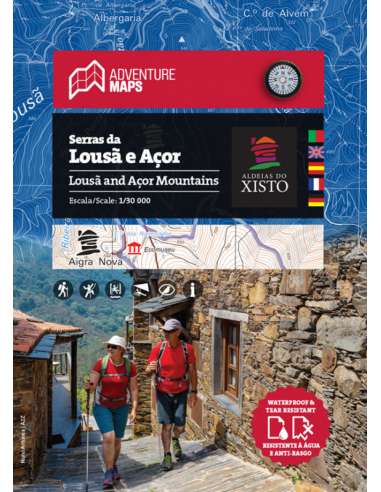




Map of Lousã and Açor Mountains - Schist Villages turistatérkép
405237
10 850 Ft
ÁFA-val
1-5 munkanap
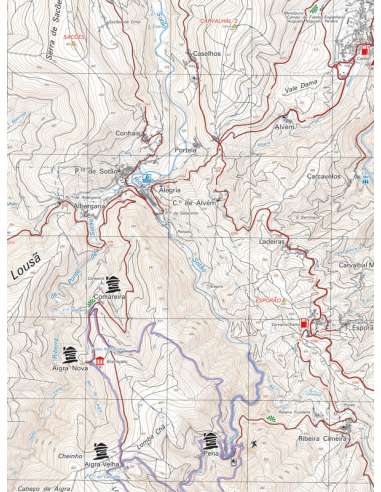
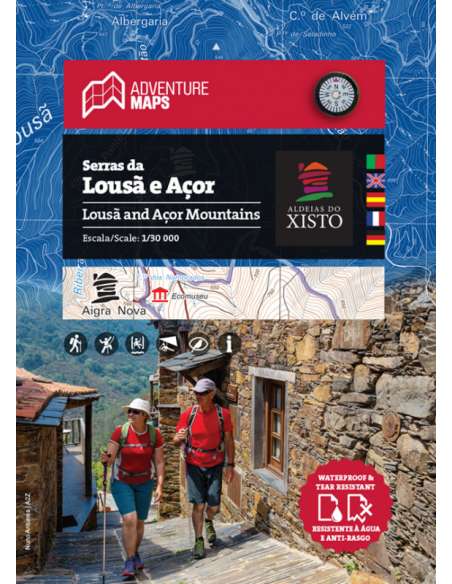
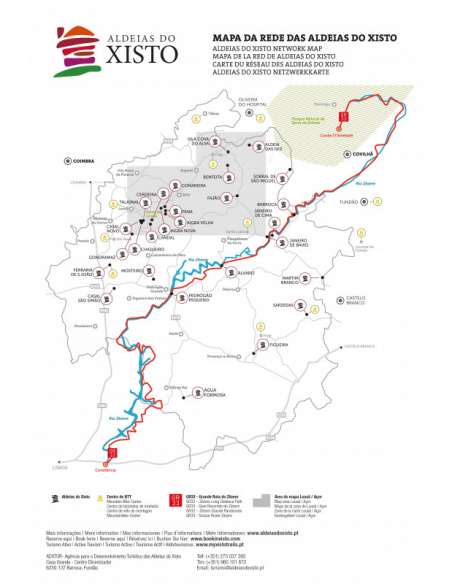
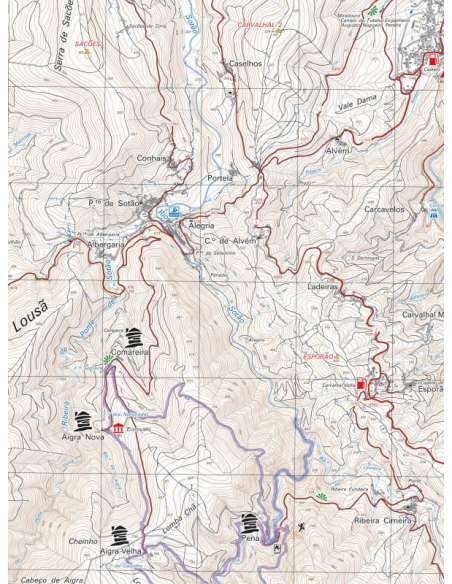
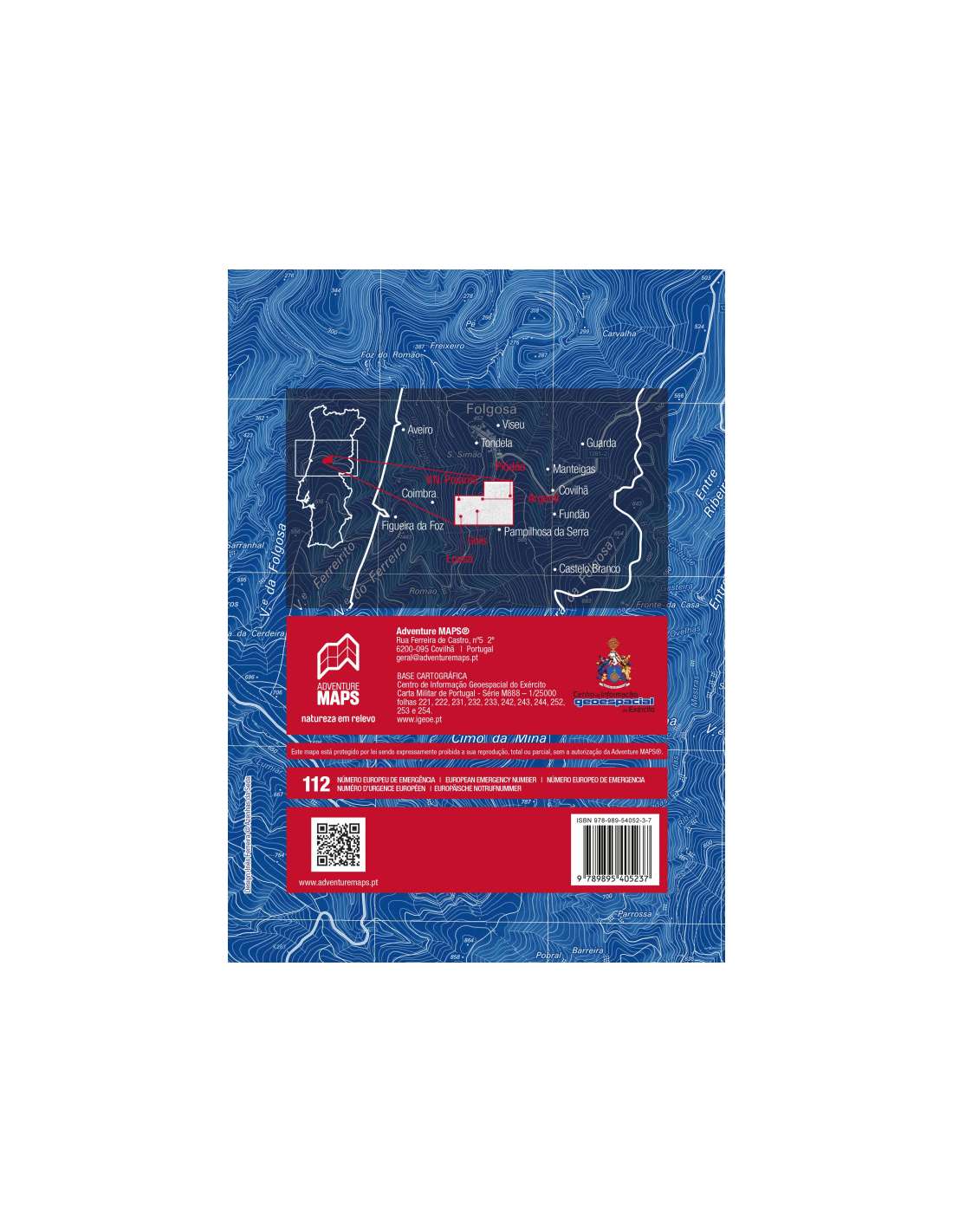
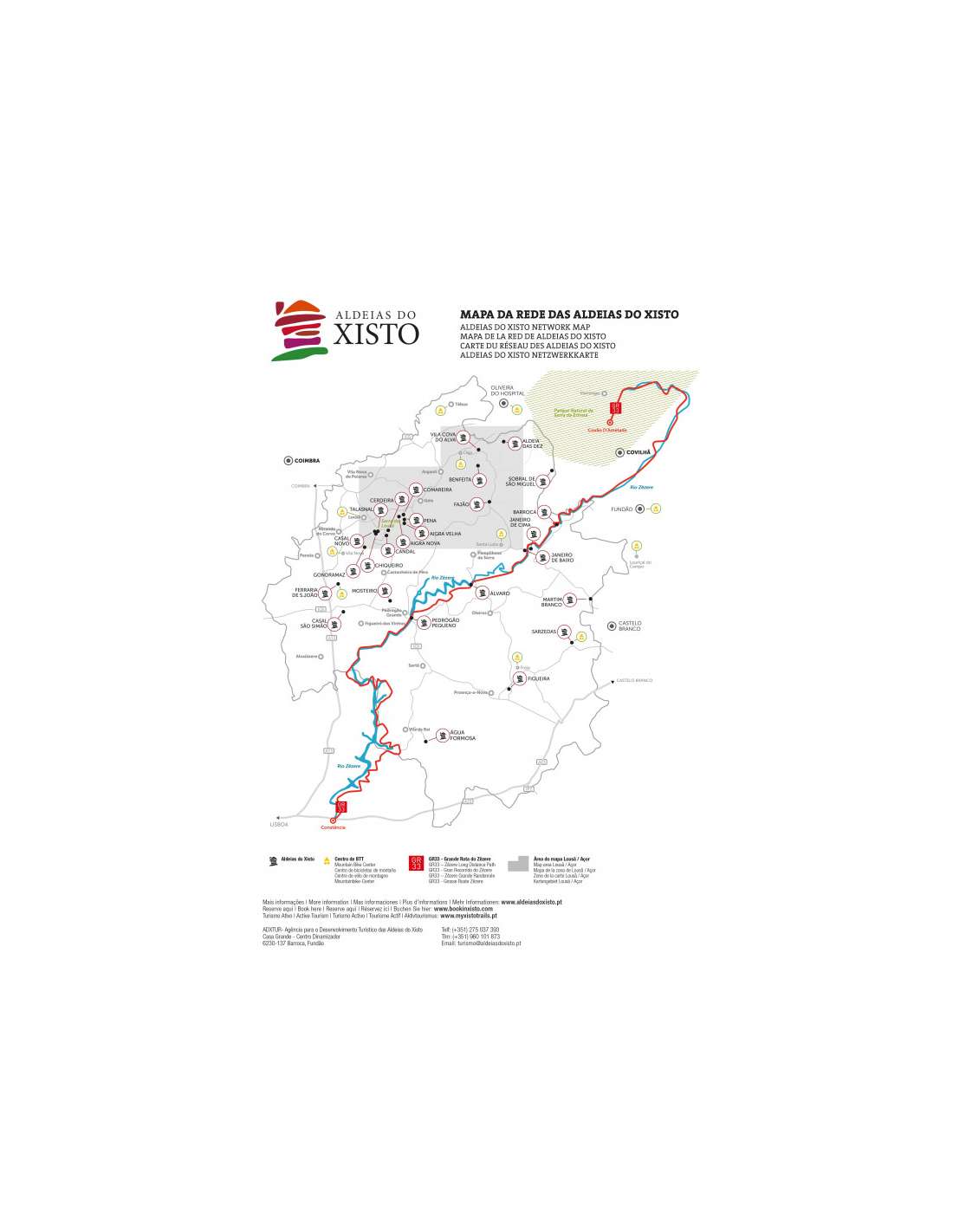
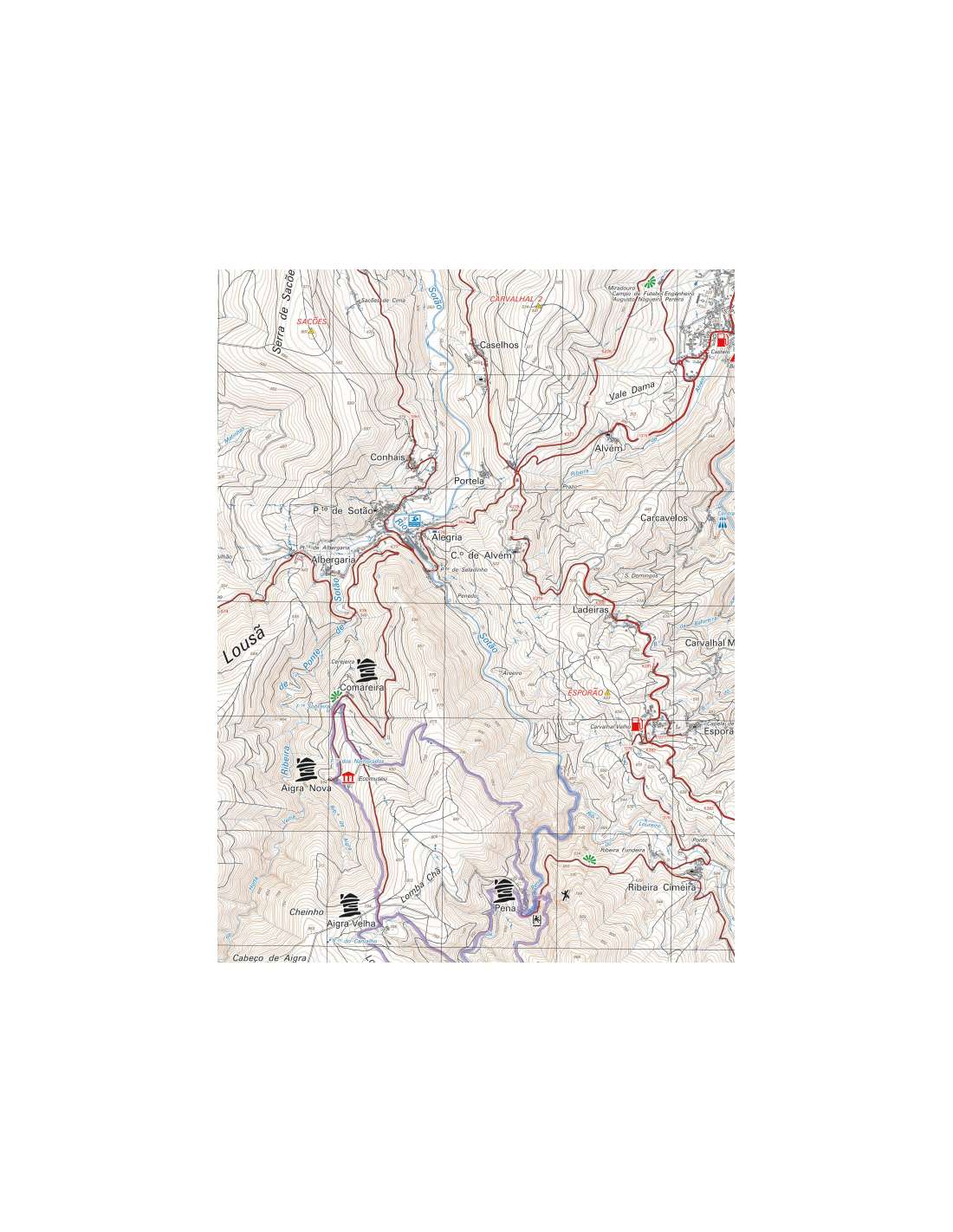
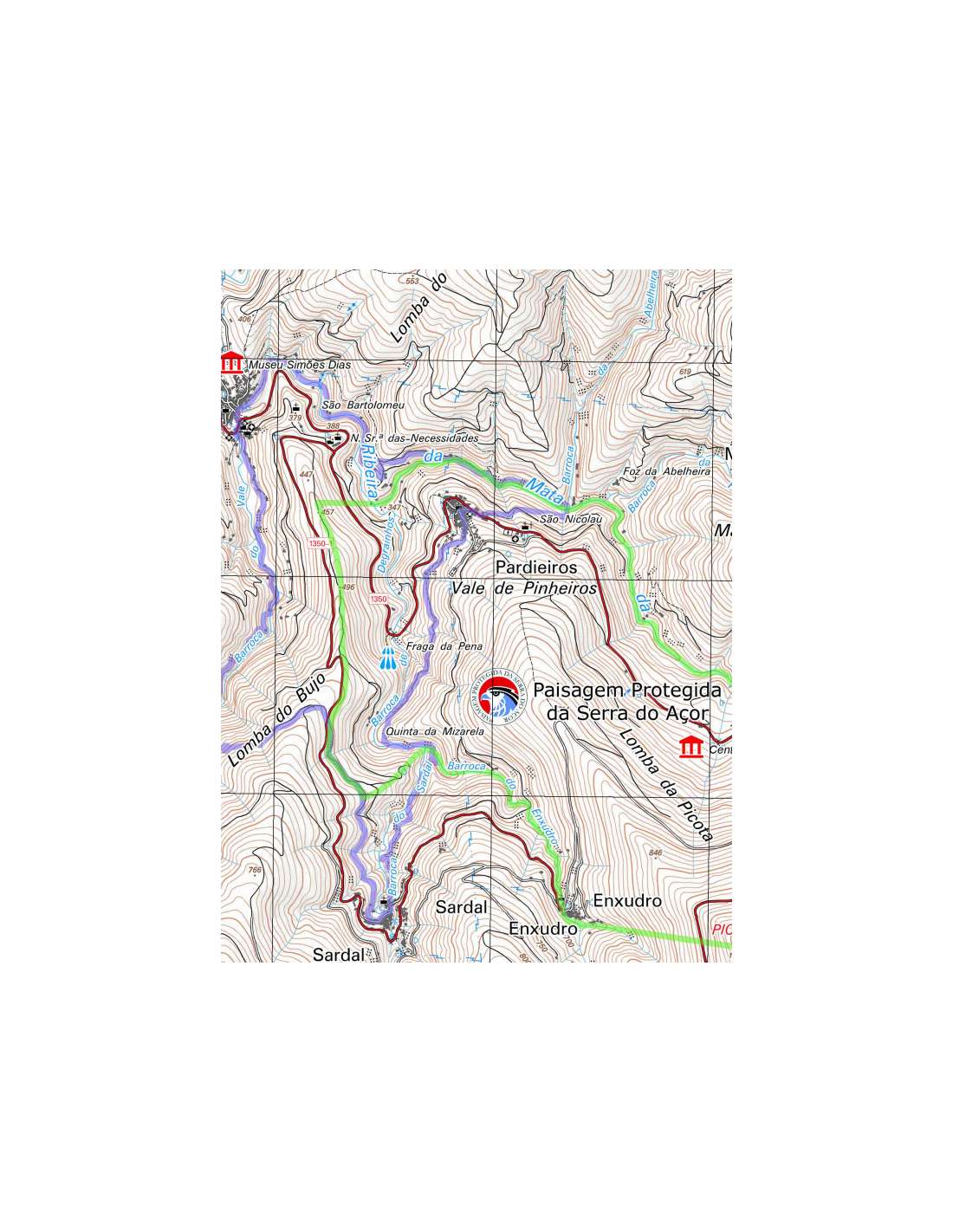
Topographic map at 1/30 000 scale, subtitled in Portuguese, English, Spanish, French and German, including the entire network of pedestrian paths in the referenced area, tourist attractions such as the Schist Villages, river beaches, bathing areas, waterfalls, campsites, picnic areas, tourist offices, climbing and hang gliding spots, among others.
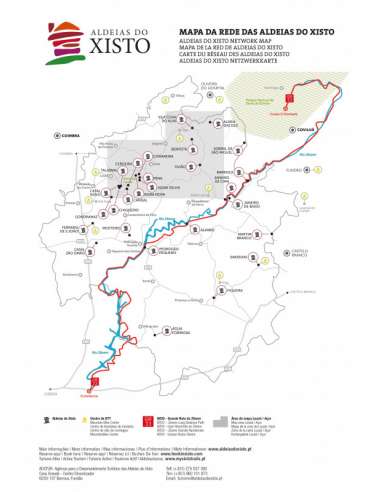
Schist Villages - Aigra Nova | Aigra Velha |Aldeia das Dez | Benfeita | Candal | Casal Novo | Cerdeira | Chiqueiro | Comareira | Fajão | Gondramaz | Pena | Talasnal | Vila Cova do Alva
Historic Villages of Portugal - Piódão
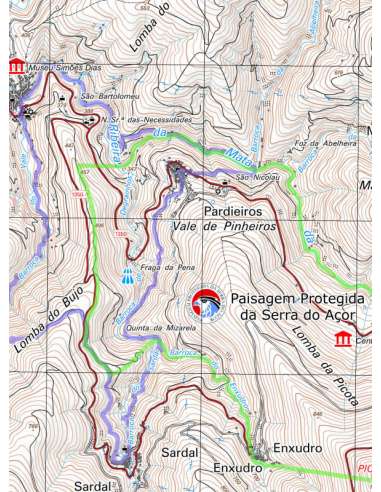
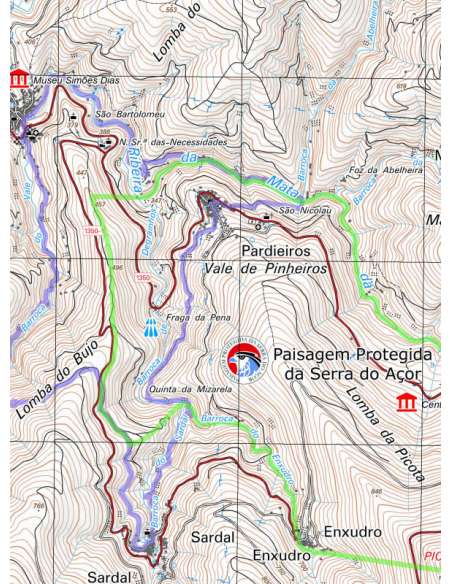
Protected Area - Protected Landscape of the Açor Mountains
Alvoco das Várzeas | Arganil | Avô | Barril do Alva | Cepos | Coja | Colmeal | Folques | Góis | Lousã | Moura da Serra | Pomares | Secarias | Serpins | V. N. do Ceira | V. N. de Poiares | V. Pouca da Beira | Vidual
"Looking west from the southern end of Serra da Estrela, you discover a monotonous succession of rounded peaks that hide valleys with large drops in level and embedded water lines. of Atlantic elements - oak (Quercus robur ) and chestnut (Castanea sativa) - and Mediterranean - arbutus (Arbutus unedo), holm oak (Prunus lusitanica) and laurel (Laurus nobilis) - harboring rare species of flora – case of the Iberian endemism Veronica micrantha or solomon's seal (Polygonatum odoratum) - constituting, due to its small size and insular nature, a very vulnerable system. from Portugal.
The water richness of the Serra do Açor Protected Landscape, with 373.39 ha, is associated with the presence of numerous reptiles and amphibians, as well as an interesting procession of passerines (commonly birds), a dozen species of micro-mammals and many other species. bats. Inside this protected area, a curious geological accident, the Fraga da Pena, hides a waterfall flanked by leafy vegetation, a scenario that never ceases to amaze in the Serra do Açor.
Pardieiros, the only village within this protected area, still retains the know-how of making wooden spoons by hand, while the terraces or quelhadas, separated by old shale walls, show the ancient agricultural use of the slopes."
Text:INSTITUTO DA CONSERVAÇÃO DA NATUREZA E DAS FLORESTAS, I.P.
Nagyításhoz érintsd meg (kattints)